
Mystery of Iniquity finds the event which those who reject God manifestly ignore. The last thing on this earth the global block of nations and peoples want is the day of Judgment. However, the Lord God brings tribulation to shake people out of their condition of sin and its consequences. Some are awakened but many fall back into their routine of being led astray. #MysteryofIniquity

Continue reading“A Journey for those who investigate the Whirlwind of these Last Days! Bearing the Cross in the War of Ages where Faith is the Victory that overcomes the World.”
“By God’s grace, we endure from faith to faith; day to day and pass by from trouble to endurance to an overcomer!”
“Heralding the Truth of God’s’ Word!”“Life Expression in its simplest form is simply life in words” — The Watchman Dana G Smith
WIBR/WARN Ministry Warning a Generation, Heralding the Second Coming of Yeshua. WIBR Warn Radio Warn-USA.com Biblical standards for a nonstandard world!
Podcast: Play in new window | Download (Duration: 58:10 — 53.3MB)
Subscribe: Spotify | iHeartRadio | Email | TuneIn | Deezer | RSS





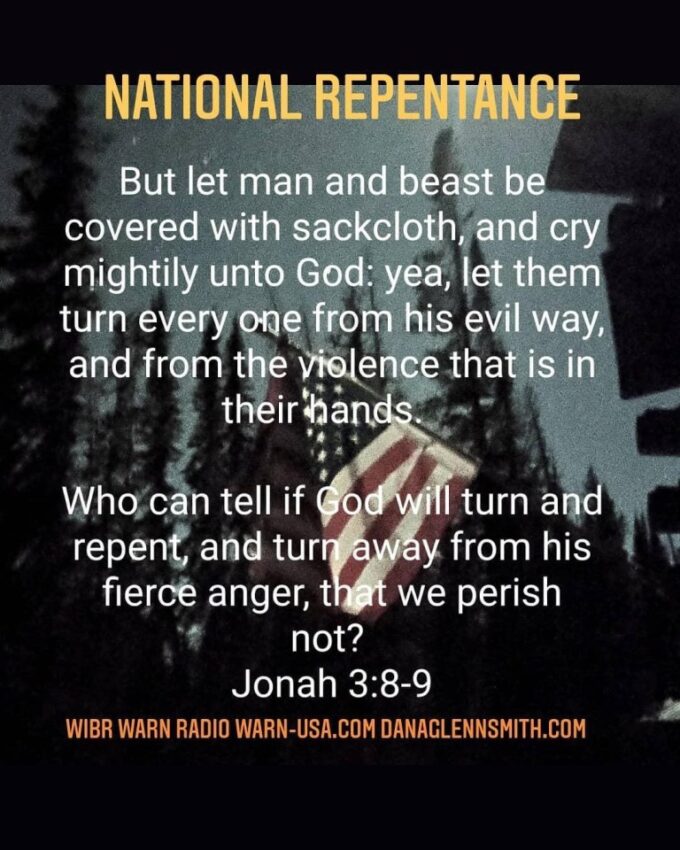
Labor Day Toil and Trouble
Labor Day Toil and Trouble is along with the rest of the calendar year one huge bucket of trouble. Riots, pillaging, murders, fires, open borders, inflation, supply shortages, and more. If those who know what is happening, here the conservatives, and others who are awakened to the agenda to Marxism in America don’t do something, then there won’t be a Labor Day. Today we have Pres. Joseph Biden. Meanwhile, we remember former President Donald Trump whose MAGA is hated by the Dems and other libs. The fact is, he worked to put jobs and manufacturing back in America. Both parties in the past have neglected this and have romanced globalism and the UN. This post is a Republished, edited, and upto date article. Be sure to understand that for America to be great you need: Faith in God, morals, and jobs.
Share this:
Like this: